
FAQs About Youth Martial Arts Schools in Calgary: Your Martial Arts School Questions Answered
When you’re thinking about enrolling your child in a youth martial arts school, it’s natural to have a bunch of questions swirling in your mind. Martial arts is more than just kicks and punches - it’s a journey of growth, confidence, and discipline. I’ve gathered some of the most common martial arts school questions parents and guardians ask when considering a program for kids aged 4 to 17. Let’s walk through these together, so you feel confident and excited about this next step.
What Makes a Youth Martial Arts School in Calgary Special?
Choosing the right martial arts school is like finding the perfect garden where your child can grow strong roots and blossom. In Calgary, youth martial arts schools focus on more than just physical skills. They nurture leadership, confidence, and essential life skills through engaging karate and martial arts lessons.
For example, a good school will offer:
Age-appropriate classes that cater to different developmental stages, from energetic 4-year-olds to focused teens.
Month-to-month memberships priced around $140 per month, with a freeze option for flexibility.
Access to all class times, so families can find a schedule that fits their busy lives.
A community atmosphere where kids feel supported and encouraged.
This approach helps children not only learn martial arts but also develop discipline and respect, which are valuable in every part of life.
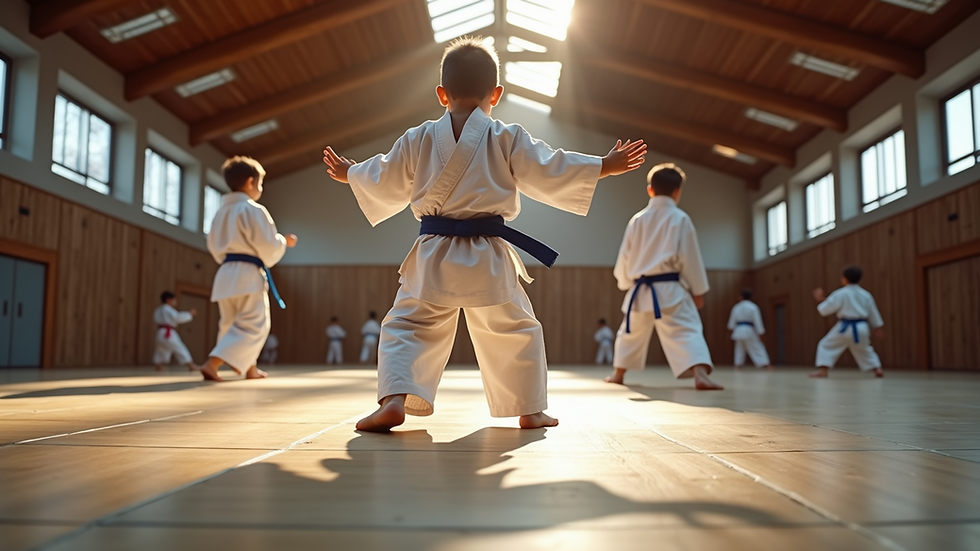
Common Martial Arts School Questions: What Should You Ask?
When you’re exploring options, it’s important to ask the right questions. Here are some of the most helpful ones to consider:
What styles of martial arts do you teach?
Different schools may focus on karate, taekwondo, judo, or mixed martial arts. Knowing the style helps you understand what your child will learn.
What is the instructor’s experience with youth?
Experienced instructors who specialize in teaching kids can make a huge difference in how your child enjoys and benefits from classes.
How are classes structured?
Are classes broken down by age and skill level? Is there a clear progression system with belts or ranks?
What safety measures are in place?
Martial arts involve physical activity, so it’s important to know about supervision, equipment, and injury prevention.
Can my child try a class before committing?
Many schools offer trial classes or introductory sessions. This can help your child get a feel for the environment.
What is the policy on attendance and membership freezes?
Life can be unpredictable. Knowing if you can pause membership without penalty is a big plus.
How does the school support character development?
Beyond physical skills, does the school emphasize respect, leadership, and confidence?
By asking these questions, you’ll get a clearer picture of what to expect and how the school aligns with your family’s values.
How Does Martial Arts Help Build Confidence and Discipline?
Martial arts is like a mirror reflecting a child’s inner strength. When kids learn to master new techniques, they also learn to trust themselves. This builds confidence in a way that spills over into school, friendships, and everyday challenges.
Discipline is another cornerstone. Martial arts classes teach kids to listen carefully, follow instructions, and practice regularly. These habits help children develop self-control and patience.
For example, a child who starts with a white belt and works their way up to a black belt experiences a tangible sense of achievement. This journey encourages perseverance and goal-setting.
The supportive community in a martial arts school also plays a role. Kids cheer each other on, celebrate milestones, and learn to lead by example. This environment fosters a sense of belonging and pride.

What Should You Expect from a Typical Youth Martial Arts Class?
If you’re new to martial arts, you might wonder what a class looks like. Here’s a snapshot of what a typical session might include:
Warm-up exercises to get the body ready and prevent injuries.
Skill drills focusing on punches, kicks, blocks, and stances.
Partner work to practice techniques safely with a peer.
Games and activities that make learning fun and interactive.
Cool-down and reflection to wind down and reinforce lessons learned.
Classes usually last between 45 minutes to an hour, depending on the age group. Younger kids might have shorter sessions with more breaks, while teens engage in more intensive training.
The instructors often use positive reinforcement, encouraging kids to try their best and celebrate progress, no matter how small. This nurturing approach helps children stay motivated and eager to return.
How Can Parents Support Their Child’s Martial Arts Journey?
Your role as a parent or guardian is like the steady hand guiding a young sapling. Here are some ways you can support your child’s martial arts experience:
Attend classes or events when possible. Showing interest boosts your child’s enthusiasm.
Encourage regular practice at home. Even a few minutes a day can make a difference.
Celebrate milestones and achievements. Whether it’s earning a new belt or mastering a technique, recognition matters.
Communicate with instructors. Stay informed about your child’s progress and any areas needing extra attention.
Promote a balanced lifestyle. Martial arts is part of a healthy routine that includes good nutrition, rest, and other activities.
By being involved and supportive, you help your child build a strong foundation for success both inside and outside the dojo.
Finding the Right Fit: What to Look for in a Calgary Youth Martial Arts School
Choosing the right school is like finding a home where your child feels safe, challenged, and inspired. Here are some tips to help you find the perfect fit:
Visit the school in person. Observe a class if you can. Notice the energy, the instructor’s style, and how students interact.
Check reviews and testimonials. Hearing from other parents can provide valuable insights.
Ask about class sizes. Smaller classes often mean more personalized attention.
Inquire about the school’s philosophy. Does it align with your family’s values and goals?
Consider location and schedule. Convenience matters when balancing busy family life.
If you want to dive deeper into common concerns and answers, this youth martial arts school faq is a great resource to explore.
Embracing the Journey Ahead
Starting martial arts is more than signing up for classes - it’s opening a door to a world of growth, friendship, and self-discovery. Every kick, every bow, every lesson learned is a step toward a stronger, more confident young person.
If you’re ready to see your child thrive in a supportive, dynamic environment, a youth martial arts school in Calgary might just be the perfect place. With month-to-month memberships, flexible schedules, and a welcoming community, the path is clear.
Remember, this journey is about more than martial arts. It’s about building character, resilience, and joy that lasts a lifetime. So take that first step - the dojo awaits.


Comments