
How Karate Benefits for ADHD Kids: Unlocking Potential Through Martial Arts
- ericbudomartialart
- Jun 1
- 4 min read
Children with ADHD often face unique challenges that can make everyday activities feel overwhelming. Finding the right outlet for their energy and focus is crucial. Karate offers more than just physical exercise - it provides a nurturing environment where kids can grow, learn, and thrive. This post explores how karate benefits for ADHD kids can transform their lives in gentle, meaningful ways.
The Power of Karate Benefits for ADHD Kids
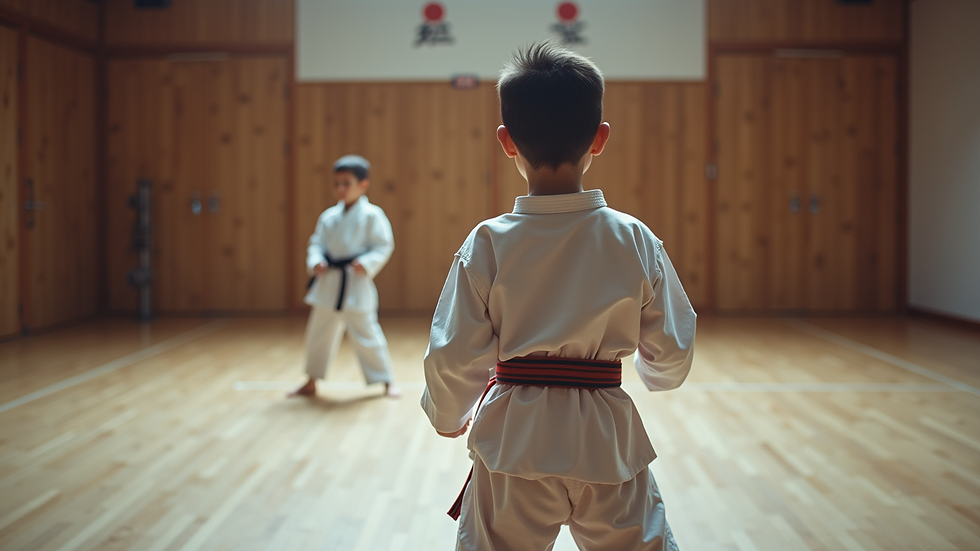
Karate is a martial art that combines physical movement with mental discipline. For children with ADHD, this blend can be especially powerful. The structured routines and clear goals in karate classes help channel restless energy into positive action. Kids learn to focus on each movement, improving their attention span over time.
Beyond physical benefits, karate builds self-confidence. When children master a new technique or earn a belt, they experience a sense of achievement. This boosts their self-esteem and encourages them to keep trying, even when things get tough. The supportive community in a dojo also fosters friendships and social skills, which can sometimes be challenging for kids with ADHD.
Some specific benefits include:
Improved concentration through repetitive practice and focus on form
Better impulse control by learning to pause and think before acting
Enhanced coordination and motor skills through physical drills
Stress relief by releasing pent-up energy in a safe environment
Increased self-discipline from following rules and respecting instructors
These benefits work together like pieces of a puzzle, helping children build a stronger foundation for success both inside and outside the dojo.

How Karate Classes Create a Supportive Environment
A key reason karate benefits for ADHD kids is the environment it creates. Classes are designed to be predictable and consistent, which helps children feel secure. The clear structure of lessons means kids know what to expect, reducing anxiety and distractions.
Instructors play a vital role by offering gentle guidance and positive reinforcement. They celebrate small victories and encourage kids to keep going, even when progress feels slow. This nurturing approach helps children develop patience and resilience.
Karate also teaches respect - for oneself, others, and the space around them. This respect extends beyond the dojo, influencing how children interact with family, friends, and teachers. The sense of belonging to a group with shared goals can be incredibly motivating.
Parents often notice that their children become more organized and better at managing emotions after starting karate. The skills learned in class translate into everyday life, making challenges easier to handle.
What is the 10 3 Rule for ADHD?
The 10 3 rule is a simple technique that can help children with ADHD manage their attention and energy. It involves working or focusing for 10 minutes, followed by a 3-minute break. This cycle repeats to maintain productivity without overwhelming the child.
In karate, this rule naturally fits into the class structure. Training sessions often include short bursts of intense activity followed by rest or lighter exercises. This rhythm helps kids stay engaged without feeling exhausted or frustrated.
By practicing the 10 3 rule in karate, children learn to recognize their own limits and needs. They develop self-awareness and the ability to pace themselves, which are valuable skills for schoolwork and daily routines.
Practical Tips for Parents Considering Karate
If you're thinking about enrolling your child in karate, here are some helpful tips to make the experience positive and rewarding:
Choose the right dojo - Look for a place with experienced instructors who understand ADHD and create a welcoming atmosphere.
Start with a trial class - Let your child try a session to see how they respond to the environment and teaching style.
Set realistic goals - Celebrate progress, no matter how small, and avoid putting pressure on quick results.
Encourage consistency - Regular attendance helps build routine and reinforces skills.
Communicate with instructors - Share your child's needs and challenges so they can provide tailored support.
Be patient and positive - Growth takes time, and every step forward is a victory.
Remember, the journey is just as important as the destination. Karate is not about perfection but about learning, growing, and having fun.

Embracing Growth Through Karate
Karate offers a unique blend of physical activity, mental focus, and emotional support that can make a real difference for children with ADHD. It’s more than just a sport - it’s a path to discovering inner strength and confidence.
For families seeking a fun and supportive environment where children can develop crucial life skills, karate is a wonderful choice. It helps kids learn how to focus their energy, control impulses, and build resilience. These lessons extend far beyond the dojo, shaping a brighter future.
If you want to explore how karate for kids with adhd can benefit your child, consider reaching out to local dojos that specialize in supportive, inclusive programs. The right environment can unlock your child’s potential and set them on a path of lifelong growth and success.
Every child deserves a chance to shine. Karate might just be the key to unlocking that light.


Comments