
Karate Benefits for Children ADHD: How Karate Benefits Kids with ADHD
- ericbudomartialart
- Aug 17
- 4 min read
When I first discovered how karate could help children with ADHD, it felt like finding a secret key to unlock their potential. ADHD, or Attention Deficit Hyperactivity Disorder, often brings challenges like difficulty focusing, impulsivity, and restlessness. But karate offers a unique blend of physical activity, mental discipline, and social connection that can transform these challenges into strengths. Let me take you on a journey through the many ways karate benefits kids with ADHD, and how it can be a powerful tool for growth and confidence.
Understanding ADHD and Its Challenges
ADHD is more than just being hyper or inattentive. It affects how children process information, control impulses, and manage their energy. Many kids with ADHD struggle in traditional classroom settings or social environments because their brains work differently. They might find it hard to sit still, follow instructions, or stay organized.
But here’s the thing: these kids often have incredible creativity, energy, and resilience. What they need is a supportive environment that channels their energy positively and helps them develop focus and self-control. That’s where karate comes in.
Karate Benefits for Children ADHD
Karate is not just about punches and kicks. It’s a holistic practice that nurtures the mind, body, and spirit. For children with ADHD, karate offers several key benefits:
Improved Focus and Concentration
Karate requires paying close attention to movements, timing, and instructions. This focus practice helps children train their brains to concentrate better in other areas of life.
Enhanced Self-Discipline
The structured nature of karate classes teaches kids to follow rules, respect their instructors, and practice regularly. This builds self-discipline, which is often a challenge for children with ADHD.
Physical Outlet for Energy
Karate provides a healthy way to burn off excess energy. The physical activity helps reduce restlessness and improves overall mood.
Boosted Confidence and Self-Esteem
As children master new skills and earn belts, they gain a sense of accomplishment. This confidence spills over into school, friendships, and daily life.
Better Social Skills
Karate classes foster a sense of community and teamwork. Kids learn to interact respectfully with peers and instructors, improving their social skills.
Stress Reduction and Emotional Regulation
The rhythmic movements and breathing techniques in karate help calm the mind and body, making it easier for children to manage anxiety and frustration.
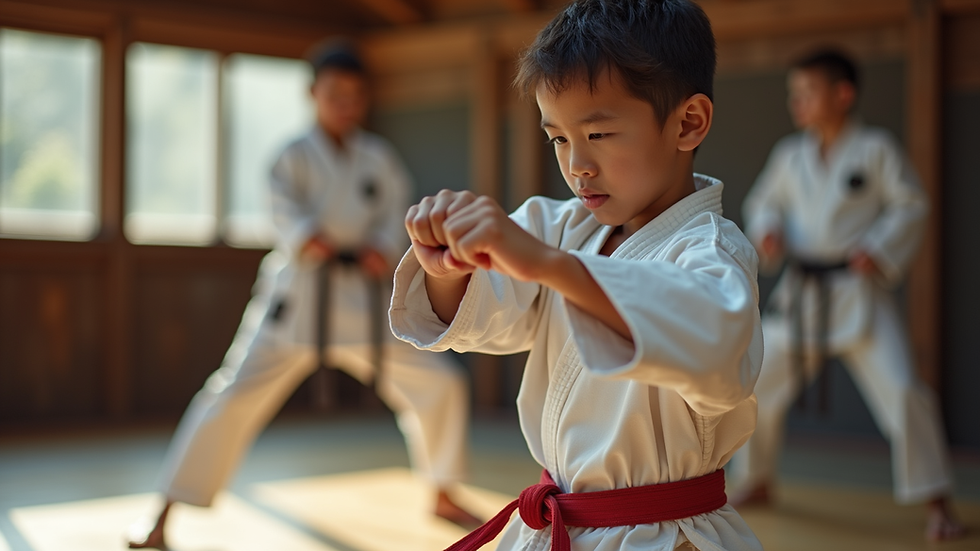
What Sport is Best for an ADHD Child?
Choosing the right sport for a child with ADHD can feel overwhelming. You want something that keeps them engaged, helps with their symptoms, and fits their personality. While every child is unique, sports that combine physical activity with mental focus tend to work best.
Karate stands out because it balances movement with mindfulness. Unlike team sports that can sometimes be chaotic, karate offers a clear structure and predictable routine. This helps children with ADHD feel secure and understand what’s expected of them.
Other sports that might be beneficial include swimming, gymnastics, and martial arts like judo or taekwondo. These activities also emphasize discipline, coordination, and individual progress.
But if you’re looking for a sport that builds confidence, focus, and emotional control all at once, karate is a top contender.
How to Support Your Child in Karate Classes
Starting karate can be exciting but also a bit intimidating for kids with ADHD. Here are some tips to help your child get the most out of their karate experience:
Choose the Right Dojo
Look for a dojo that understands ADHD and offers patient, encouraging instructors. A welcoming environment makes all the difference.
Set Realistic Goals
Celebrate small victories like learning a new move or attending class regularly. Progress in karate is a journey, not a race.
Maintain Consistency
Regular attendance helps build routine and reinforces skills. Many dojos offer month-to-month memberships with freeze options, which can be helpful for busy families.
Encourage Practice at Home
Short, fun practice sessions at home can boost confidence and skill retention.
Communicate with Instructors
Share your child’s needs and challenges with the instructor. They can tailor their approach to support your child better.
Celebrate Effort, Not Just Achievement
Praise your child’s hard work and perseverance, not just belt promotions or trophies.

The Community and Lifelong Benefits
One of the most beautiful aspects of karate is the community it creates. Kids find friends who share their interests and values. They learn respect, empathy, and teamwork. This sense of belonging can be especially important for children with ADHD, who sometimes feel isolated or misunderstood.
Beyond childhood, the skills learned in karate - focus, discipline, confidence, and emotional control - become lifelong tools. These benefits extend into academics, relationships, and future careers.
If you’re considering activities for your child, I encourage you to explore karate for kids with adhd. It might just be the key to unlocking their full potential.
Embracing the Journey Together
Watching a child grow through karate is like witnessing a seed sprout and bloom. It takes patience, care, and encouragement. But the rewards are profound. Children with ADHD can thrive in karate, discovering strengths they didn’t know they had.
If you’re ready to support your child’s journey, consider enrolling them in a local karate program that values inclusivity and growth. With the right guidance, your child can build confidence, learn discipline, and find joy in movement.
Karate is more than a sport - it’s a path to empowerment. And every step on that path is a step toward a brighter, more focused future.


Comments