
Karate Confidence for Shy Kids: Why Karate is Perfect for Shy Kids
- ericbudomartialart
- Jun 18
- 4 min read
Watching a shy child navigate the world can feel like watching a delicate flower slowly bloom. They often hold back, hesitant to step into the spotlight or speak up in a crowd. As a parent, you want to nurture their confidence and help them find their voice. Karate offers a unique path to do just that. It’s more than just punches and kicks - it’s a journey of self-discovery, courage, and growth. Let me share why karate is perfect for shy kids and how it can gently guide them toward confidence.
Building Karate Confidence for Shy Kids
Karate is a beautiful blend of discipline, respect, and physical activity. For shy kids, it provides a structured environment where they can thrive at their own pace. The dojo - a safe, welcoming space - becomes a second home where children learn to trust themselves and others.
One of the most powerful aspects of karate is the focus on personal progress rather than competition. Kids earn belts by mastering skills, not by outperforming peers. This removes the pressure to be “the best” and instead encourages them to be their best. It’s like planting seeds in a garden - each small achievement nurtures their self-esteem and helps it grow steadily.
In karate, children learn to set goals and celebrate milestones. Whether it’s perfecting a punch or remembering a kata, every success is a step forward. This sense of accomplishment can be transformative for shy kids who may doubt their abilities in other areas of life.
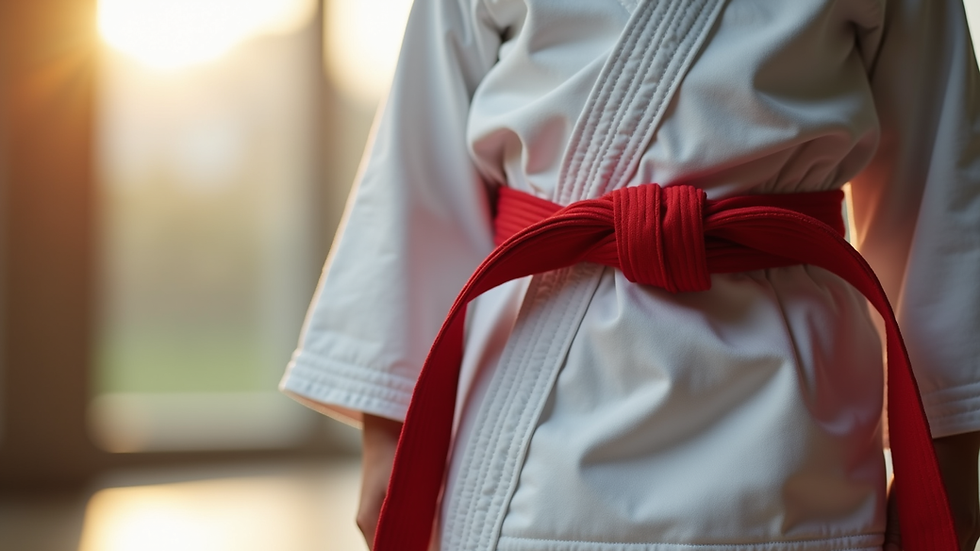
How to Help a Shy Child Participate in Sports?
Encouraging a shy child to join any sport can feel daunting. The fear of being judged or making mistakes often holds them back. Karate, however, offers a gentle introduction to group activities with a focus on respect and kindness.
Here are some practical ways to help your shy child participate in karate or any sport:
Start with Observation - Visit a class together and watch from the sidelines. This helps your child get comfortable with the environment without pressure.
Choose the Right Instructor - Look for teachers who are patient, encouraging, and experienced with shy children. A supportive instructor can make all the difference.
Set Small Goals - Encourage your child to try one new thing at a time, like learning a basic stance or bowing properly.
Celebrate Effort, Not Just Results - Praise their willingness to try, regardless of the outcome.
Practice at Home - Reinforce skills and routines in a relaxed setting to build confidence.
Connect with Peers - Encourage friendships by arranging playdates or group activities outside class.
By taking these steps, you create a nurturing path that helps your child feel safe and motivated to engage.
The Social Benefits of Karate for Shy Kids
Karate is not just about physical skills; it’s a social journey too. For shy kids, making friends can be challenging. The dojo’s community atmosphere fosters connection through shared goals and mutual respect.
In karate classes, children learn to communicate without words - through gestures, bows, and teamwork. This non-verbal communication can be a gentle bridge for shy kids to express themselves. Over time, they build friendships based on trust and shared experiences.
Group activities like partner drills and sparring teach cooperation and empathy. Kids learn to support each other, celebrate successes, and handle setbacks together. This sense of belonging can be a powerful antidote to shyness.
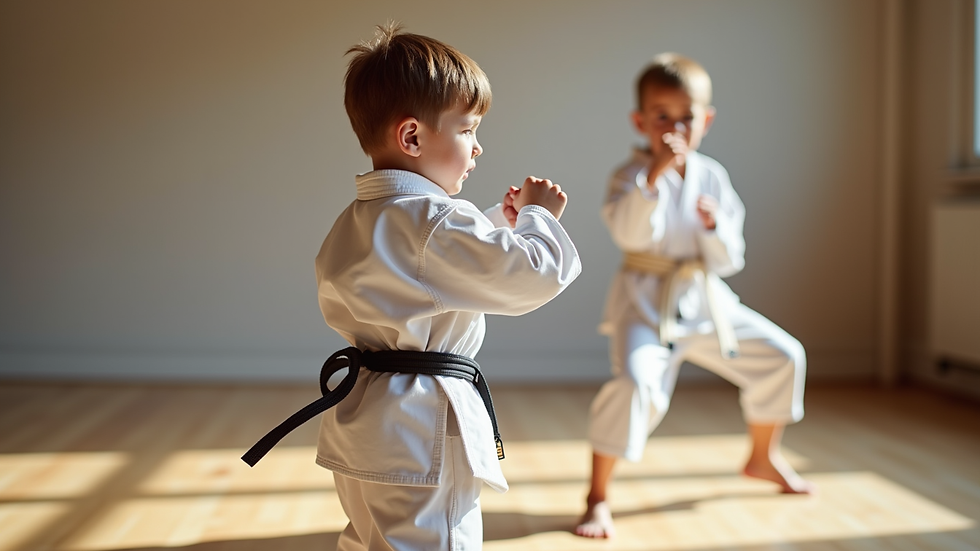
How Karate Teaches Emotional Strength and Resilience
Shyness often comes with feelings of anxiety or self-doubt. Karate helps children develop emotional strength by teaching them how to face challenges calmly and confidently.
The practice of kata - a series of choreographed movements - requires focus and mindfulness. It’s like a moving meditation that helps kids center themselves and manage stress. Learning to control their breath and body gives them tools to handle nervousness in everyday life.
Karate also teaches respect for oneself and others. This respect builds a foundation of self-worth that shy kids can carry beyond the dojo. When they learn to stand tall and speak with intention, they begin to see themselves as capable and strong.
Mistakes and failures are part of karate training. Kids learn that falling down is not the end but a chance to get back up stronger. This resilience is a gift that helps shy children face social situations with greater courage.
Creating a Supportive Environment for Your Child’s Karate Journey
Starting karate is a big step for a shy child, and your support is crucial. Here’s how you can create a positive environment that encourages growth:
Be Patient - Progress may be slow, but every small step counts.
Listen Actively - Let your child share their feelings about class and challenges.
Encourage Consistency - Regular attendance builds routine and confidence.
Celebrate Achievements - Whether it’s a new belt or mastering a move, acknowledge their hard work.
Stay Positive - Focus on effort and growth rather than perfection.
If you ever find yourself wondering how to help my shy child with karate, remember that the journey is as important as the destination. Your encouragement and belief in their potential will light the way.
Karate offers shy kids a chance to step into their own power, one confident move at a time. It’s a path filled with respect, friendship, and self-discovery - a perfect place for your child to bloom.
Embracing karate can be the gentle nudge your shy child needs to find their voice and confidence. With every bow, every kick, and every smile, they grow stronger inside and out. Watching them transform is a beautiful reminder that sometimes, the quietest souls have the loudest courage.


Comments